
Logo_BMCH_Bhaarath Medical College and Hospital

Diabetology

Diabetes, a chronic medical condition, affects millions of people globally. It is characterized by high levels of glucose in the blood, which can lead to a range of complications if left untreated. Diabetology is a branch of medicine that specializes in the diagnosis, treatment, and management of diabetes.
Diabetology

Diabetology is a specialized branch of medicine that focuses on the diagnosis, treatment, and management of diabetes. There are three primary types of diabetes, including type 1, type 2, and gestational diabetes. Type 1 diabetes is the result of an autoimmune disorder where the immune system attacks and destroys the cells in the pancreas that produce insulin. This type of diabetes is often diagnosed in children and young adults and requires lifelong insulin therapy. On the other hand, type 2 diabetes is the most prevalent type of diabetes, accounting for 90% of all cases. It typically develops in adults and is caused by the body becoming resistant to insulin or the pancreas not producing enough insulin to meet the body’s needs. Type 2 diabetes can be managed with lifestyle changes, such as exercise and diet, and medication. Early diagnosis and proper management of diabetes are critical in preventing or delaying its complications, such as blindness, kidney failure, and nerve damage.
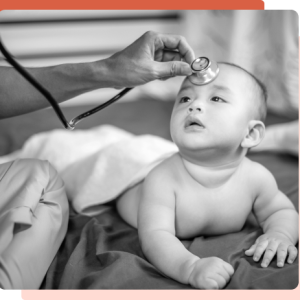
Pediatrics

Pediatrics:


Pediatrics is a medical specialty that caters to the health and well-being of infants, children, and adolescents. It requires specialized training and a compassionate approach to provide optimal care to young patients. In this blog, we will discuss the importance of pediatrics and the crucial role of pediatricians.

Pediatricians specialize in caring for infants, children, and adolescents by diagnosing, treating, and preventing childhood illnesses. They also provide guidance to parents on how to maintain their children’s health. Pediatricians promote healthy development, behavior, and well-being of children beyond medical conditions. Children’s bodies are unique, and their health needs require specific knowledge and expertise in pediatric medicine. Pediatricians diagnose and treat a wide range of medical conditions unique to children, such as infections, growth and development issues, and behavioral disorders. They also work with parents and other healthcare professionals to ensure children receive appropriate care and support for their physical, emotional, and developmental needs

Obstetrics and Genecology:

Obstetrics and genecology (OB/GYN) is a medical specialty that focuses on the female reproductive system, pregnancy, childbirth, and related disorders. It is vital for women’s health and well-being from adolescence to menopause and beyond. This article will discuss the key areas of obstetrics and gynecology, their significance, and the medical procedures involved.
Genecology
Obstetrics deals with pregnancy, childbirth, and the postpartum period. Obstetricians manage high-risk pregnancies, provide care during labor and delivery, and monitor the health of both mother and baby throughout the process. Prenatal care is essential and involves regular check-ups, tests, and scans to monitor the fetus’s growth and development and ensure the mother’s good health. Obstetricians also provide education and counseling on healthy habits during pregnancy. Genecology deals with the female reproductive system and related disorders. Genecologists provide preventive care, diagnosis, and treatment of various conditions, including menstrual disorders, infertility, STIs, and gynecologic cancers. They perform pelvic exams and Pap tests to detect abnormalities in the cervix or uterus and use imaging tests such as ultrasound or MRI to diagnose conditions such as fibroids or ovarian cysts. Genecologist also provide education and counseling on reproductive health, family planning, and contraception.
Physcology

Psychology

Psychology is the scientific study of behaviour and mental processes. It is a fascinating field that encompasses a wide range of topics, from the intricacies of the human brain to the complexities of social interaction. Psychology can help us understand ourselves, our relationships, and the world around us. In this blog, we’ll explore some of the basics of psychology and how it can be applied to our lives.
One of the fundamental concepts in psychology is that behaviour is shaped by both nature and nurture. Nature refers to the genetic factors that influence behaviour, while nurture refers to the environmental factors that shape behaviour. This interplay between nature and nurture can be seen in many areas of psychology, from personality development to the formation of social attitudes. Psychology encompasses various key concepts, including cognitive processes, emotions, and motivation. Cognitive processes pertain to mental processes such as perception, memory, attention, and problem-solving, which are crucial in comprehending how people learn and make decisions. Emotions are intricate mental states that often come with physiological changes, and understanding them is crucial in understanding how people interact with their environment.

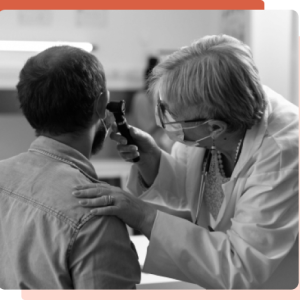
ENT

ENT stands for ear, nose, and throat. ENT specialists are medical doctors who specialize in the treatment of conditions related to the ear, nose, and throat. ENT specialists are also called otolaryngologists. They treat conditions that affect the head and neck, including the ears, nose, throat, sinuses, larynx, and pharynx. In this blog, we will discuss some common conditions that ENT specialists treat, and how they can help.
ENT

ENT specialists treat a wide range of ear-related conditions, including ear infections, hearing loss, tinnitus, and vertigo. They can perform tests to diagnose hearing loss and recommend treatment options, such as hearing aids or cochlear implants. They can also perform surgeries, such as tympanoplasty, to repair damage to the eardrum.ENT specialists can diagnose and treat a variety of conditions related to the nose, including allergies, sinusitis, and deviated septum. They can perform procedures, such as nasal endoscopy, to examine the nasal passages and sinuses. They can also recommend treatment options, such as nasal sprays or allergy shots, to manage allergies or sinusitis. ENT specialists also treat conditions related to the throat, such as tonsillitis, laryngitis, and throat cancer. They can perform procedures, such as laryngoscopy, to examine the throat and vocal cords. They can also recommend treatment options, such as medication or surgery, to manage these conditions.

Urology

UROLOGY

Urology is the Branch of Medicine that Focuses on the Urinary Tract and Male Reproductive System.Urology is a medical specialty that deals with the diagnosis, treatment, and management of disorders related to the urinary tract and male reproductive system. The urinary system consists of the kidneys, ureters, bladder, and urethra, while the male reproductive system comprises the testes, epididymis, vas deferens, seminal vesicles, prostate gland, and penis.
Urology is a field that encompasses a variety of medical conditions. Among these conditions, some of the most prevalent include urinary tract infections (UTIs), kidney stones, prostate enlargement, erectile dysfunction, and bladder cancer. UTIs are infections that can develop in any part of the urinary system and are characterized by symptoms such as painful urination, frequent urination, and lower abdominal pain. Kidney stones are mineral deposits that form in the kidneys and can cause intense pain as they pass through the urinary tract. Prostate enlargement is a condition that affects older men and causes the prostate gland to grow larger, leading to urinary difficulties. Erectile dysfunction is the inability to achieve or maintain an erection sufficient for sexual intercourse. Finally, bladder cancer is a type of cancer that occurs in the bladder and can result in blood in the urine, frequent urination, and pain during urination.

Gatero Enrerology

Gastroenterology is the study and treatment of digestive system disorders, which includes a complex network of organs and tissues that work together to break down the food we eat into nutrients that our body can use for energy and growth. The digestive system begins with the mouth and ends at the anus, and includes organs such as the esophagus, stomach, small intestine, large intestine, rectum, and anus.
Gaddtro
gastroenterology deals with the diagnosis and treatment of disorders related to the digestive system. This intricate system consists of a variety of organs and tissues working together to break down the food we consume into essential nutrients for our body’s energy and growth. Digestion begins in the mouth as the teeth and tongue break down the food and mix it with saliva. Salivary enzymes initiate the breakdown of carbohydrates. The food then travels down the esophagus to the stomach where it mixes with enzymes and stomach acid, breaking down proteins. Subsequently, the food enters the small intestine, where it undergoes further digestion and absorption into the bloodstream. The small intestine is equipped with villi that increase the surface area for nutrient absorption. The remaining waste then moves into the large intestine, where water is reabsorbed, and waste products are stored until elimination through the rectum and anus.

Book Appointment Here

Create appointments here
Logo_BMCH_Bhaarath Medical College and Hospital

Bhagirathi Medical Centre And Hospital

Thudiyalur, Tamil Nadu 641034

Contact Us

Mettupalayam Road, Thudiyalur, Tamil Nadu 641034